
What to Expect From Your First EMS Training Session: A Beginner's Guide

Your first EMS (Electrical Muscle Stimulation) session is a 20-minute, high-efficiency workout where a certified trainer uses low-frequency electrical impulses to activate 90% of your muscle fibers simultaneously. It is a low-impact, data-driven experience designed to deliver the results of a 90-minute gym session in a fraction of the time.

How to prepare for your first EMS Session:

To ensure you and your body are ready for your first EMS training session, we have outlined four important steps:
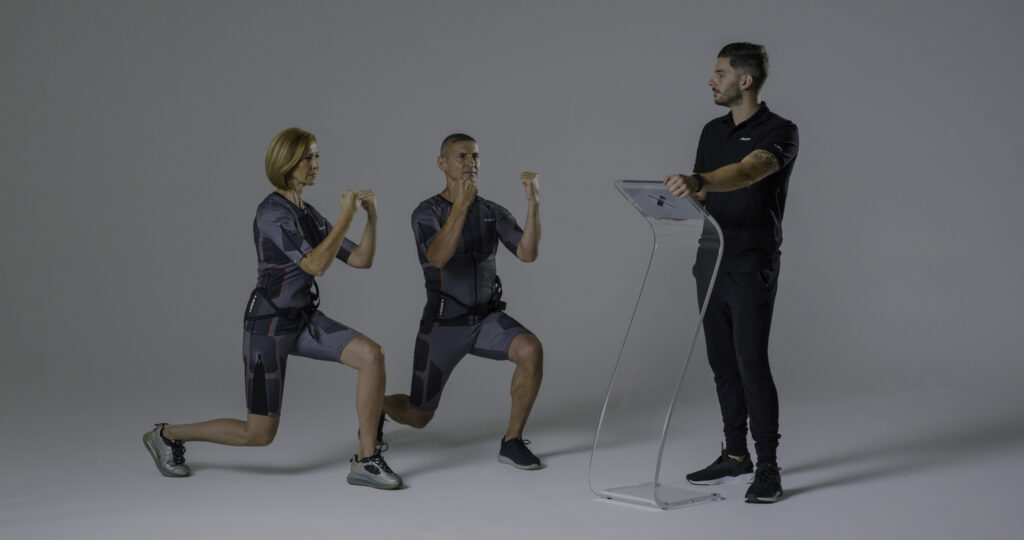
  • Medical Pre-Screening: Before suiting up, you must complete a mandatory health assessment. EMS is a powerful technology; we must confirm you do not have any contraindications (see more details below) to ensure a productive session.
  • Hydration: Drink at least 500ml of water 30-60 minutes prior. Water acts as a conductor for the electrical impulses and being dehydrated reduces the workout’s effectiveness.
  • Nutrition: Eat a light, carb-based snack 2 hours before your appointment. Avoid training on an empty stomach to prevent lightheadedness during deep core activation.
  • Skin Prep: Arrive with clean skin. Avoid body lotions, oils, or heavy moisturisers, as these create an insulating barrier that blocks the EMS electrodes.

is ems training right for me?

In 2026, XBody technology is more accessible than ever, but certain medical conditions require a safety-first approach. If you’re unsure whether or not EMS training is right for you, see our helpful guide here. For further information our team is ready to offer advice.

What Should I Wear?

You do not need to bring traditional gym gear.

  • Base Layer: We provide specialised XBody technical base layers (tight-fitting cotton/elastane) designed to hold moisture and conduct impulses.
  • Footwear: Most clients train barefoot for better stability, though clean indoor trainers are optional.

The "Suiting Up" Process

Depending on the specific XBody studio location you visit, you will experience one of two industry-leading suit technologies. Both deliver the same impulses, but the preparation differs:

Traditional Wet Suit Technology

This is the classic, high-conductivity setup is still favoured by athletes for impulse precision.

  • The Process: Your trainer will lightly mist the electrode pads with warm, purified water before you put the suit on.
  • Why it’s used: Water acts as a powerful conductor. This “wet” connection ensures the impulses penetrate deep into the motor neurons of the muscle for an ultra-efficient contraction.
  • The Feel: The suit will feel damp and snug initially, but it quickly warms to your body temperature.

Innovative DryTech Suit

Many studios now utilise XBody DryTech – the pinnacle of convenience and hygiene.

  • The Process: No water is required. You simply step into the suit and zip up. The electrodes are made of specialized, multi-layered conductive fabrics that react to your natural skin moisture.
  • Why it’s used: There is no damp sensation, making it ideal for those training during a lunch break or before an event.
  • The Feel: It feels exactly like high-end compression sportswear.

Both suit types are sanitised using hospital-grade antibacterial solutions after every single use, ensuring hygiene regardless of which technology your studio uses.

What Does EMS Feel Like?

During the first 5 minutes, your trainer will perform a “level check.”

  • The Sensation: You will feel a tingling, buzzing, or “deep vibration” sensation. It is not painful.
  • The Impulse Cycle: For your first few sessions, trainers will use a 4-second work / 4-second rest rhythm. When the impulse is “on,” you will perform simple functional movements (squats, lunges, or planks).
  • Beginning the Session: You be led through a series of movements and exercises, based on your ability and health goals. As mentioned, your trainer will gradually increase your stimulation to a level that feels good for you.
  • Wellness Check-Ins: You should always be in control of your movement and EMS training should never be painful. The stimulation should feel strong but manageable and comfortable. During the training, your trainer will regularly be asking you how you feel, how hard the movements are, and whether you can handle more (or would like less) resistance.

Recovery & The Next 48 Hours

Because EMS reaches deep muscle fibers often missed in standard workouts, recovery is vital.
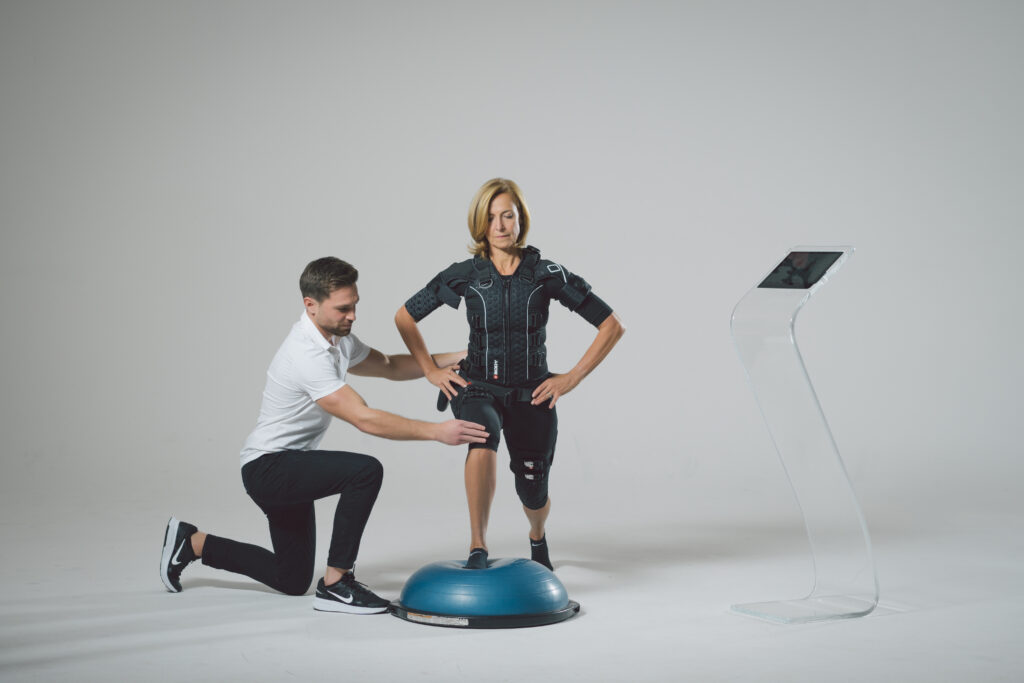
  • Rehydration: Drink 1L of water post-session to flush metabolic waste (lactic acid).
  • Protein Intake: We recommend consuming 20-30g of protein within 2 hours to support muscle repair.
  • The 48-Hour Rule: Avoid heavy resistance training for 48 hours after your session. Your muscles need this window to super-compensate and grow stronger.

Get Started with EMS Training

Interested with trying out EMS training at your local studio or perhaps adding EMS training to your fitness studio’s offerings?